July 15, 2026
WHAT DUOLINGO UNDERSTOOD ABOUT BRAND CHARACTERS (AND MOST BRANDS ARE STILL FIGURING OUT)
Duolingo didn't build a mascot. It built a character with boundaries, a supporting cast, and the nerve to kill him off for content — and that discipline is exactly what separates a brand character from a logo with arms.
The Cost of Assuming the Pushy Tone Instead of Earning It
Most brand characters that try to be persistent, sassy, or "relatable" fail for the same reason: the tone was assumed on day one instead of earned over time. Somewhere in a creative brief, a mascot gets handed a personality bible — quirky, bold, a little cheeky — and starts talking like it already has the audience's permission to be that way. It doesn't. Nobody granted it. The result reads as a brand doing an impression of internet humor rather than actually having any, and audiences can tell the difference immediately, even if they can't articulate why a character feels hollow.
That's the trap most brand mascot strategy falls into. Persistence without a relationship just reads as noise. A character that pushes before it's earned the right to push doesn't come across as charming, it comes across as a brand talking at you instead of to you.
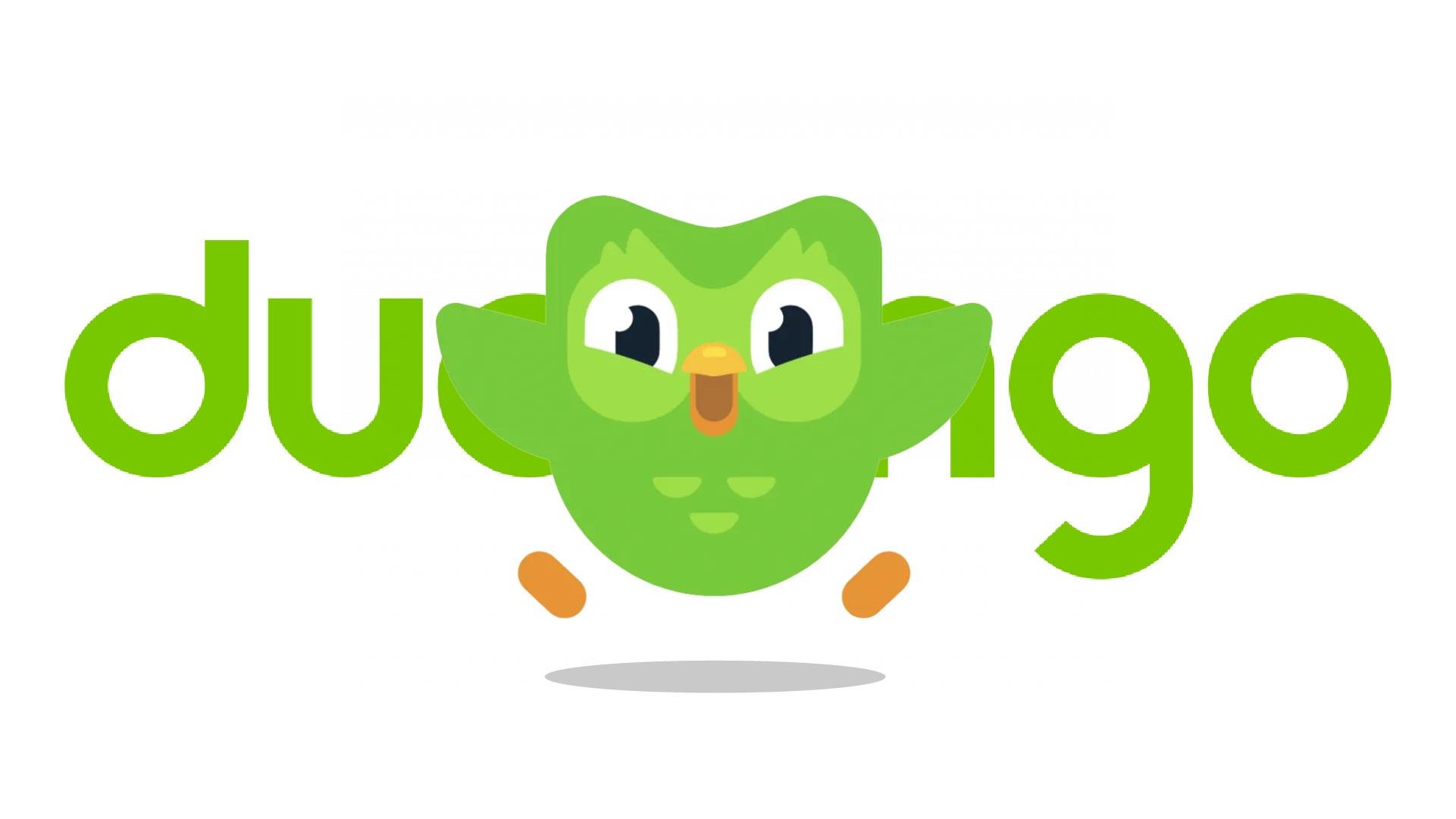
Now put Duo next to that. The owl launched in 2011 as a static logo — flat, silent, forgettable. If Duolingo had assumed a pushy, meme-worthy tone from day one, it would have felt exactly like every other brand cosplaying as your funny friend. Instead, the tone came from somewhere real, built up over years in public before the brand ever leaned into it on purpose. That's the real difference between a mascot and a character. A mascot is handed a personality. A character earns one, in public, over time — and skipping that step is exactly how you end up with a tone nobody actually asked for.
Duo Isn't a Mascot, He's a Character With a Script
Here's the part most brands skip: Duolingo didn't invent Duo's personality in a boardroom. Users started joking, years ago, that the app's reminder notifications felt aggressive — a green owl silently judging you for skipping your Spanish lesson. Instead of softening that read, Duolingo's team leaned all the way in. They let "unhinged, mildly threatening owl" become canon.
That's a technical decision disguised as a joke. Most brands treat their mascot's tone as something to protect. Duolingo treated it as something to listen for — pulling voice, running bits, and personality traits directly from how the internet was already talking about the character, then feeding that back into the brand. The owl's pushiness isn't a flaw the brand tolerates. It's the entire premise, earned through years of consistent, self-aware execution — not assumed on day one.
The Supporting Cast Nobody Asked For (And Why It Works)
Duo doesn't appear in everything. That's the part people miss. Duolingo built out a full roster — Lily, the deadpan teenager; Zari, the overcommitted optimist; Eddy and his son Junior; Falstaff, Bea, Oscar, Lin — each one carrying a distinct tone and absorbing a different kind of content. Lily gets the sarcasm. Zari gets the chaos. Eddy gets the dad-joke physical comedy.
This is the same discipline as the writing, just applied structurally. When one character has to carry every tone a brand needs — funny, reassuring, technical, viral — something eventually breaks, usually the part that felt most human to begin with. Duolingo distributes that load across a cast, so no single character gets flattened into a formula. Duo stays sharp precisely because he's not doing all the work alone.
Killing Your Own Mascot as a Marketing Move
In February 2025, Duolingo announced Duo was dead. Not retired, not redesigned — dead, allegedly hit by a Cybertruck, complete with a blacked-out app icon and a string of platform-specific eulogies. Two weeks later, he came back, claiming the whole thing had been a test to see who'd keep up with their lessons.
On paper this sounds like a s**t idea — you don't kill your most valuable asset. In practice, it worked because it wasn't a random stunt. It was the payoff of years spent building an internet-native character with a consistent, chaotic-but-coherent voice. The timing (right after the Super Bowl, when everyone assumed the big campaigns were done for the week), the platform-specific execution, and the fact that Duo had already "died" narratively multiple times in smaller ways — all of that made the stunt feel earned instead of desperate. A brand with a thinner character history tries this and it just reads as a cry for attention.
What We Can Learn From This
Most brands don't have Duolingo's budget, social team, or decade of built-up goodwill. But the underlying brand mascot strategy isn't actually about resources — it's about discipline:
Earn the tone before you assume it. Duolingo didn't decide to be pushy. It noticed the internet already saw the owl that way, then built on it.
Distribute the personality. One character can't be your entire brand voice indefinitely. A cast — even a small one — protects your main character from burning out.
Let the audience co-write, within limits. The best brand character moments come from listening to how people are already talking about your mascot, not from a creative brief written in isolation.
Know when restraint beats presence. Duo isn't everywhere, and that's exactly why he still lands when he shows up. A character mandated to appear in every touchpoint stops feeling like a character and starts feeling like a logo with a paycheck. Duolingo knows the difference, and it shows.