July 31, 2026
THE TOKYO TOILET: WHEN EDITORIAL DESIGN TURNS THE MUNDANE INTO A SUBJECT
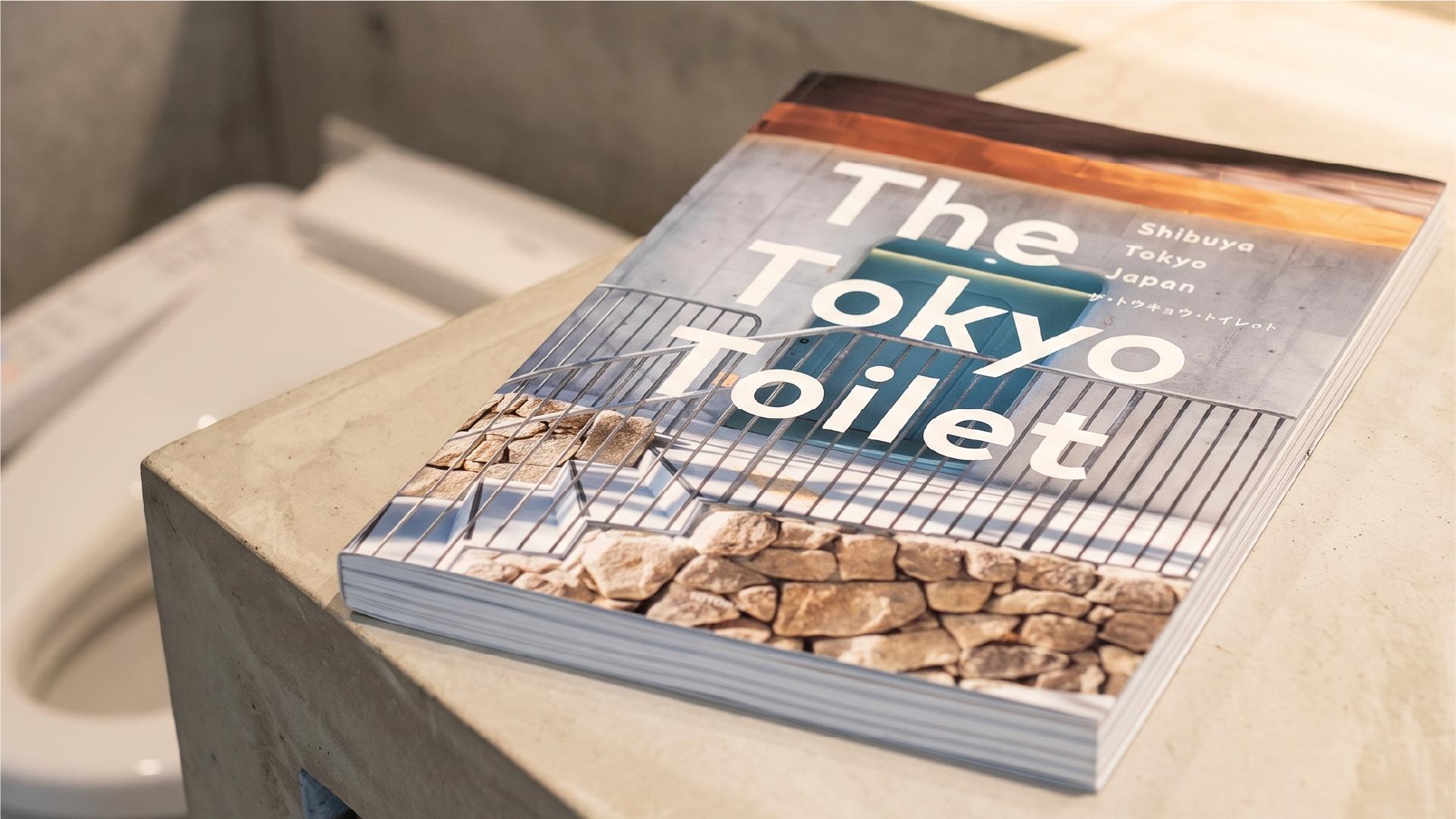
A photobook about public restrooms shouldn't work as a design object. Daido Moriyama's The Tokyo Toilet proves that the subject was never the point — the editorial decisions around it were.
The Least Glamorous Subject in Design
The bathrooms photographed in The Tokyo Toilet aren't ordinary infrastructure. They're the product of The Tokyo Toilet Project, a real urban initiative that commissioned well-known architects — Tadao Ando and Shigeru Ban among them — to redesign public restrooms across Shibuya Ward as functional, dignified public architecture. On paper, that's already a strong design story: serious architects taking a neglected building type seriously.
But The Tokyo Toilet, the book, isn't that story. It's a separate project by photographer Daido Moriyama, collecting work he shot over nearly three years for a column in the Japanese magazine SWITCH, published as a standalone hardcover by Switch Publishing in 2023. Moriyama didn't document the architecture. He photographed the buildings the way he photographs everything — in his signature raw, high-contrast, street-level black and white, closer to a diary of a city than a portfolio of buildings.
That distinction is the entire article. The architects designed the subject. Moriyama designed how we see it. Those are two completely different jobs, and only one of them is editorial.
What Makes a Subject "Editorial"
Here's the part worth stealing for any editorial project, brand or otherwise: a subject doesn't become "editorial" because it's interesting. It becomes editorial because of what's done to it after it's interesting.
There are three decisions that separate a stack of photographs from an actual editorial piece:
Selection. Out of everything Moriyama shot over three years, 46 images made the book. Selection isn't just quality control — it's an argument about what matters. Every image left out is also a decision.
Sequence. The order images (or sections, or arguments) appear in shapes how a reader interprets them. A restroom shot next to a street corner reads differently than the same restroom shot in isolation. Sequence is where meaning gets built, not just where content gets arranged.
Voice. This is the one people underestimate most. Moriyama could have shot these buildings the way an architecture magazine would — clean, symmetrical, well-lit, flattering. He didn't. He shot them like he shoots subway platforms and alleyways: grainy, off-kilter, human. That consistency of voice is what makes 46 photos of toilets read as a body of work instead of a slideshow.
None of this is unique to photobooks. A brand's blog, a case study, an annual report — all of them run on the same three decisions. Most editorial content fails not because the subject is boring, but because nobody made a real choice on selection, sequence, or voice. They just published everything, in order, in a neutral tone.
Moriyama's Point of View as the Real Design Decision
It's worth sitting with how deliberately anti-architectural Moriyama's approach is, because it's easy to assume a book about designed buildings should look "designed" — polished, wide-angle, symmetrical.
Instead, Moriyama photographs these restrooms the way he'd photograph a stranger on a train: intimate, slightly rough, more interested in atmosphere than information. The buildings become part of the city's texture rather than isolated design objects on a pedestal. A restroom shot this way stops being "content about a building" and starts being a scene — something with mood, something you could imagine walking past.
That's the actual design decision in this book. Not the architecture (which was already done by someone else) and not even the choice of subject (which was, frankly, a bit of a gift — a strange, overlooked building type with built-in curiosity). The design decision was refusing to photograph it the obvious way.
This is where the book earned its cultural moment too — the project became recognizable enough to surface in Wim Wenders' film Perfect Days, which centers on a Tokyo public toilet cleaner. Different medium, same instinct: find the overlooked and give it a point of view worth watching.
The Takeaway for Anyone Making Editorial Work
The lesson from The Tokyo Toilet isn't "photograph unusual things." It's that the perceived importance of a subject and the editorial value of a piece are two separate variables. A subject can be low-stakes and the resulting work can still be sharp, coherent, and worth someone's attention — if the selection is deliberate, the sequence builds something, and the voice stays consistent from the first page to the last.
That's a useful thing to remember whenever a brief looks unglamorous. The subject rarely needs to be extraordinary. What needs to be deliberate is everything editorial done around it — what gets kept, what order it runs in, and whose eye it runs through. Moriyama didn't make toilets interesting. He made a case that anything looked at with enough consistency becomes worth looking at.