October 23, 2026
WHAT REALLY HAPPENED AFTER THE ADOBE FIGMA DEAL FELL APART
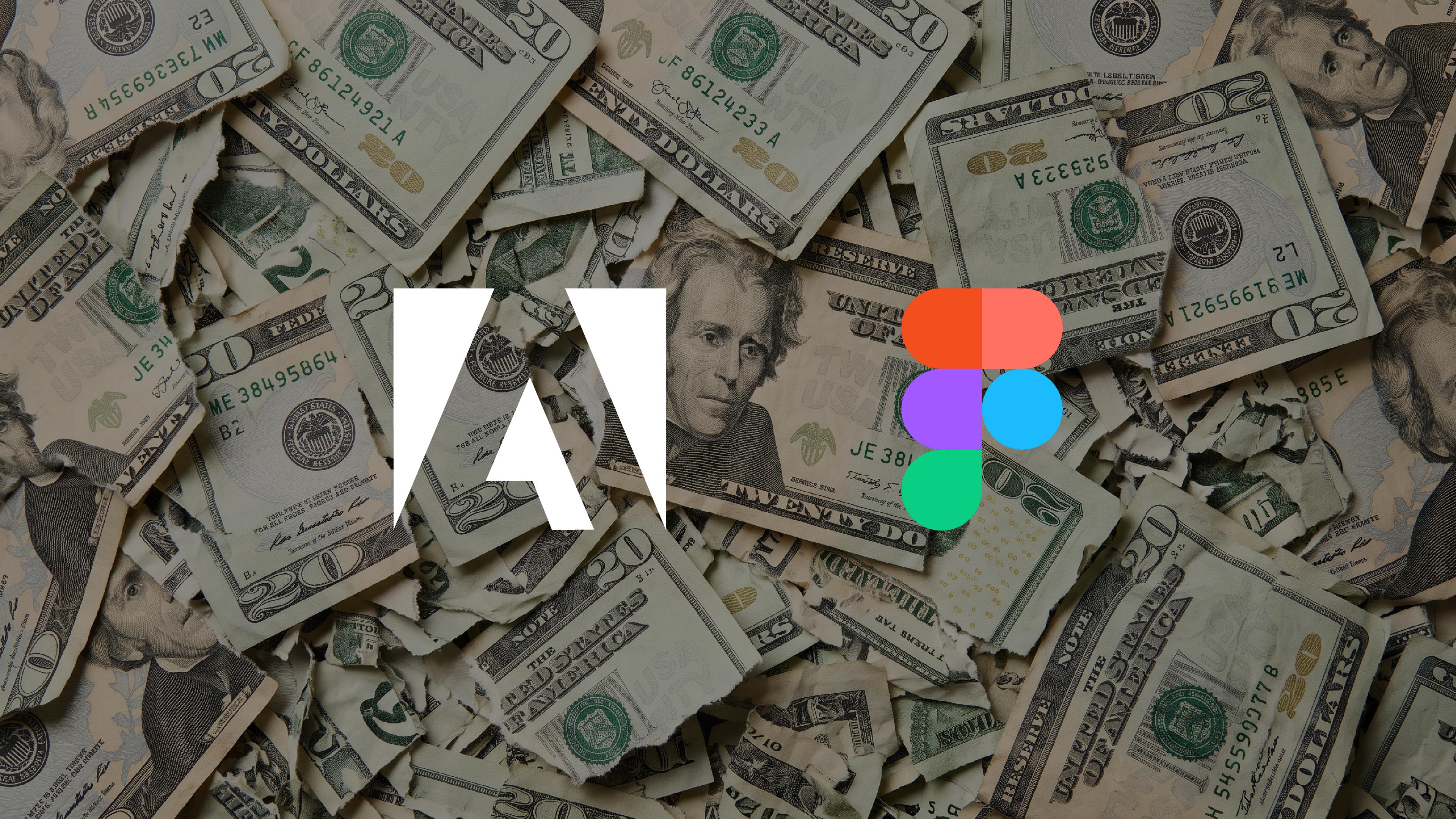
In 2022, Adobe agreed to buy Figma for $20 billion and the design world braced for a monopoly. Three years later, the deal that never happened has shaped the industry more than the one that almost did, and the reasons are not the ones most people expect.
For about fifteen months, it looked like digital design was about to have a single landlord. Adobe owned print, photo and video. Figma owned the screen. Put them together and you had one company sitting on almost every file a designer touches.
Then the Adobe Figma deal fell apart, and the story got more interesting. Here is what actually happened next, to both companies and to the rest of us.
The $20 Billion Deal That Never Closed
Adobe announced the acquisition in September 2022, a roughly $20 billion mix of cash and stock for a company that, at the time, mostly made a browser-based interface design tool. A lot of designers reacted the same way: if Adobe buys the tool that was supposed to be the alternative to Adobe, where do we go?
Regulators asked a similar question. The UK’s Competition and Markets Authority and the European Commission both dug in, and in December 2023 the two companies called it off, saying they saw no clear path to approval.
Adobe then paid Figma a reverse termination fee of $1 billion in cash. Quick definition, because the term matters here: a regular breakup fee protects the buyer if the seller walks away. A reverse termination fee protects the seller if the buyer can’t close, usually because of regulators. Figma had spent more than a year in limbo, unable to make big moves, and that fee was the price of the risk.
The regulators’ core argument was about horizontal competition. Adobe framed Figma as complementary (a different tool for a different job). Regulators saw a direct competitor, one that Adobe might otherwise have to fight on product and price. Removing it would mean fewer choices for the people who design apps, websites and digital products.
Figma Went Public and Kept Building
Figma came out of the failed merger with a billion dollars and something more valuable: independence. In July 2025 it went public at $33 a share, an IPO that initially valued it at around $19.3 billion, almost exactly what Adobe had offered. Demand was enormous on day one, and the stock opened far above that price. It has since cooled considerably, which is what tends to happen when a hyped debut meets real quarterly numbers.
Those numbers have been solid, though. Figma’s revenue grew 46% year over year in Q1 2026, the second straight quarter of acceleration. More telling than the growth is what drove it.
The product has quietly turned into a platform. Next to the core design editor, Figma now offers Draw for illustration, Buzz for brand templates, Sites for designing and publishing websites, Make for prompting your way to a working prototype, and Weave for AI-generated media. In 2026 it started charging for AI usage through credits, and in Q2 revenue rose 48%, helped by the first full quarter of that model.
For the many teams that design in Figma, this means the tool they open every morning now wants to handle a lot more of the job than it used to.
Adobe Bet Everything on AI Instead
Without Figma, Adobe needed a different story, and it chose generative AI. Firefly, Adobe’s family of AI models, is now woven through Creative Cloud. Its main selling point for big companies is that it was trained on licensed Adobe Stock images, which makes it a safer bet for enterprises worried about copyright.
The pressure on Adobe comes from both ends. At the low end, Canva keeps pulling in casual and semi-pro users, and its acquisition of Affinity put professional tools at a much lower price. At the high end, Figma still dominates UI and UX design. Adobe XD, its own answer to interface design, had already been left without active development, so the collaborative product design space remains the one big gap in Adobe’s lineup.
The business is still large and profitable. What changed is the narrative: investors now ask whether AI will make expensive professional licenses harder to justify, and Adobe has to answer that question every quarter.
How the Collapsed Adobe Figma Deal Reshaped the Design Industry
The most visible effect is the simplest one: competition stayed real. Two well-funded companies racing each other means faster releases, more pressure on pricing and more room for smaller tools to find a niche.
The less visible effect is that product categories stopped meaning much. A few years ago, a “design tool” drew screens, a “website builder” published pages and a “code editor” wrote code. Today the same platform might do all three. For designers, that changes the skill that matters. Knowing where every button lives in one app is worth less when the apps keep absorbing each other’s jobs. What holds value is the part no tool automates well: design criteria, meaning hierarchy, consistency, typography, the judgment to know when something is right.
Figma itself has leaned into that idea in its own messaging, arguing that once code becomes a commodity, design becomes the competitive edge. You can read that as marketing, and it is. It is also true.
What We Can Take From a Deal That Didn’t Happen
The Adobe Figma deal failing didn’t produce a winner and a loser so much as two very different bets. One company doubled down on being the canvas where everything gets made. The other doubled down on being the engine that makes things for you.
For the people actually doing the work, the lesson is less about which company to back and more about not tying your process, your team or your files too tightly to any single platform. Tools merge, split, pivot and reprice. The industry nearly consolidated once and only didn’t because regulators stepped in. The thing that travels with you from tool to tool is how you think about design, and that’s the part worth investing in.